



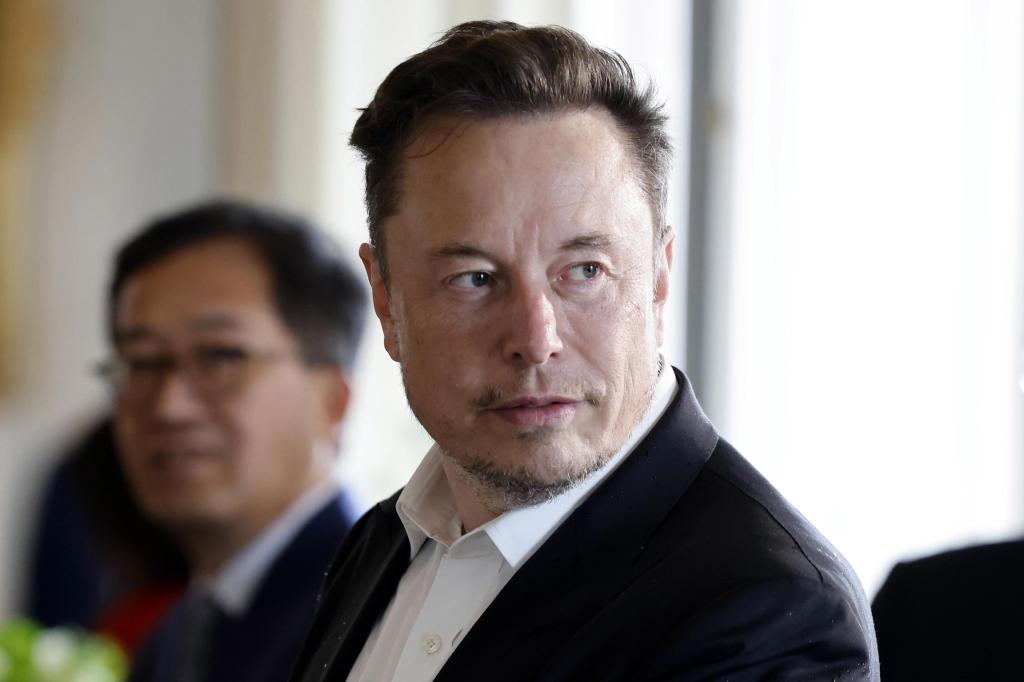
Washington, D.C. — The Trump administration’s push to block the release of Department of Government Efficiency (DOGE) records has sparked intense speculation that the White House is actively concealing Elon Musk’s continued influence in federal policy-making. While Musk publicly claims he has stepped away, the facts tell a different story—one in which he quietly directs government decisions while avoiding scrutiny.
Musk’s fingerprints are all over DOGE’s operations, yet Trump has completely stopped mentioning him, a stark contrast to his previous praise. Could this silence be an attempt to protect Musk from political backlash while still allowing him access to government contracts, policy decisions, and regulatory favors? If Musk were truly gone, why does DOGE’s restructuring seem tailor-made to benefit his businesses?
Reports indicate that SpaceX and Tesla are thriving under DOGE’s policies, while agencies that once regulated Musk’s companies have faced significant budget reductions. This raises a pressing question: Is DOGE simply a front for corporate favoritism disguised as government efficiency?
Musk’s influence doesn’t stop with DOGE. His failed attempt to take control of the U.S. Copyright Office suggests a larger effort to expand his control over federal policy. The timing of Trump’s firing of Register of Copyrights Shira Perlmutter, just after the office questioned AI companies’ rights to use copyrighted material, points to a coordinated plan—one that Musk likely orchestrated in hopes of eliminating barriers to AI-generated content.
Yet, this plan backfired. Trump’s replacements in the Copyright Office unexpectedly pushed back against Big Tech, fracturing the once-strong MAGA-tech alliance. The incident proves that Musk was not stepping away—he was doubling down, fighting for control in the shadows.
Meanwhile, questions have surfaced about the true leadership of DOGE. While Amy Gleason has been officially named the acting administrator, many suspect she is merely a figurehead, with Musk still quietly pulling the strings. The Trump administration delayed revealing Gleason’s role, only confirming her position after legal pressure forced them to disclose the agency’s leadership. Even now, her level of authority remains unclear, and her dual employment at both DOGE and the Department of Health and Human Services (HHS) raises concerns about whether sensitive government data is being shared between agencies.
Trump himself has previously referred to DOGE as being “headed by Elon Musk,” contradicting the administration’s official stance that Musk is merely an advisor. This inconsistency fuels speculation that Gleason’s appointment may be a strategic move to deflect scrutiny away from Musk while allowing him to continue shaping federal policies.
Adding fuel to speculation about Musk’s continued government influence, he was present during Trump’s first overseas trip of his second term, accompanying him to Saudi Arabia, Qatar, and the United Arab Emirates in May 2025. Musk met with Saudi Crown Prince Mohammed bin Salman to discuss investment opportunities for Starlink, Tesla, and xAI, further strengthening his political and financial foothold in the region. His attendance at official events such as a coffee ceremony and a state dinner alongside Trump raises further questions about his role in shaping U.S. foreign policy, despite claims that he has distanced himself from government affairs.
Now, the Trump administration is trying to seal DOGE’s records, arguing that the agency is a presidential advisory body exempt from transparency laws. Watchdog groups have filed lawsuits demanding the disclosure of DOGE’s internal records, and the Government Accountability Office has blocked DOGE’s attempt to embed personnel within its agency, citing concerns over executive overreach.
If Trump succeeds in keeping DOGE’s documents secret, the public may never know how deep Musk’s involvement runs. But if the Supreme Court rejects this attempt at secrecy, the released records could expose the true extent of Musk’s role in DOGE, revealing whether the agency’s restructuring was engineered to serve Musk’s interests rather than the American people.
Musk claims he has distanced himself from politics. But everything—from his influence over government contracts to his failed power grab at the Copyright Office to his presence on Trump’s foreign policy trip—suggests otherwise. The cover-up, intentional or not, only deepens suspicions that Musk’s presence in Washington never faded—it just became less visible.
Trump and Musk’s silence on the issue is deafening. What are they hiding? And more importantly, why?
 Mentonym Express