


Ukraine’s War Machine Reinvents Itself Amid Shifting Global Support
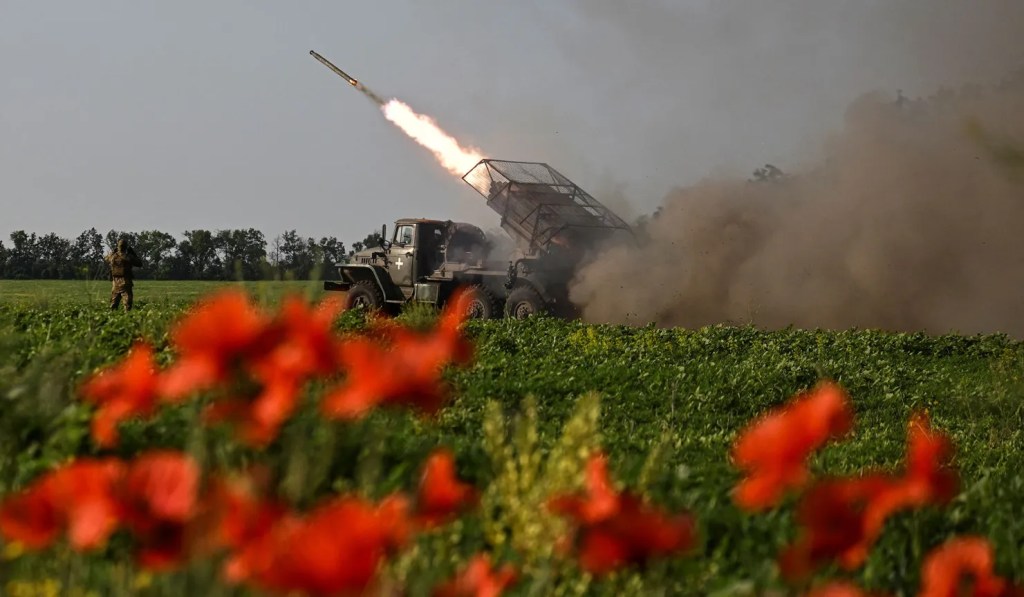
Kyiv, June 17, 2025 — Ukraine is proving to the world that it is not just resisting Russian aggression—it is shaping the battlefield and dictating the future of modern warfare. With U.S. aid declining, Ukraine has taken control of its destiny, expanding domestic weapons production and deploying cutting-edge military technology that continues to push Russian forces back.
Ukraine’s defense sector has skyrocketed from $1 billion in 2022 to an estimated $35 billion in 2025, driven by determination, innovation, and necessity. More than 500 Ukrainian tech firms now contribute to advanced battlefield robotics, AI-driven targeting systems, and drone warfare. The Danish Model has secured €1.3 billion in European financing, backed by frozen Russian assets, to support Ukraine’s arms production. Crowdfunded weapons programs allow citizens to actively fund military innovation, while long-term European partnerships ensure ongoing logistical and financial support.
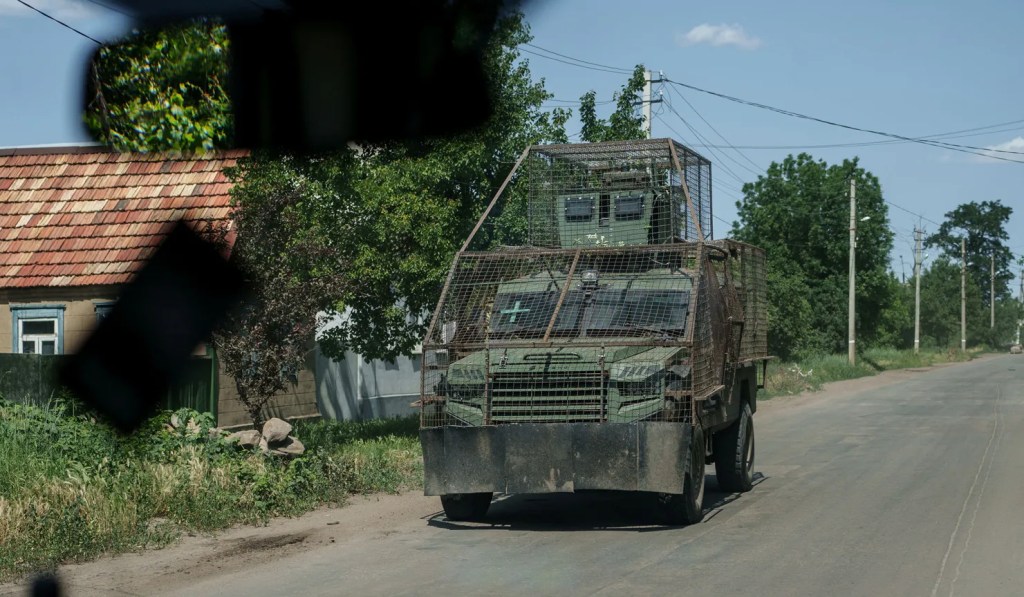
Ukraine’s robotic combat units are revolutionizing the battlefield. Remote-controlled gun platforms unleash precise firepower while keeping soldiers out of harm’s way. Autonomous evacuation carriers, such as FoxTac, retrieve wounded troops from combat zones, thereby maximizing survival rates. Electronic warfare systems jam Russian drones, disrupting enemy reconnaissance and leaving Russian forces at a tactical disadvantage.
Drone strikes are putting pressure on Russian forces deep inside enemy territory. Ukraine’s Spider’s Web operation deployed 117 drones to strike five Russian airbases, damaging 40 bombers and crippling Russia’s aerial capabilities. Strategic sabotage missions, including the destruction of Russia’s largest gunpowder plant, have hampered Moscow’s ability to produce artillery shells, weakening Russian firepower. Crowdfunded drone programs have mobilized thousands of civilian-backed UAVs, proving that Ukrainian ingenuity and public support continue to be formidable weapons. In total, Ukrainian drone warfare has inflicted an estimated $7 billion in damage on Russian military assets.
With Washington reducing its aid, European allies have stepped up, ensuring Ukraine has the resources to win. More than €150 billion has been pledged, showing a strong, unified commitment to Ukraine’s defense and sovereignty. Germany has promised €11 billion through 2029 to co-produce weapons with Ukraine. The United Kingdom has contributed £4.5 billion, partially funded by assets seized from Russia. France, Sweden, Norway, and other Nordic nations have collectively provided €4.5 billion in direct military support. The G7’s €45 billion financial package is keeping Ukraine’s government and military fully operational.
Ukraine is not just holding its ground—it is reclaiming territory. Ukrainian forces have pushed Russian troops back in the Sumy region, where President Volodymyr Zelenskyy confirmed recent gains. Heavy fighting continues in Pokrovsk and Toretsk, yet Ukraine’s defenses have held strong, preventing Russian advances toward Kostyantynivka. Additionally, Ukrainian drone strikes inside Russian territory have targeted critical military infrastructure, including ammunition depots and arms production facilities, weakening Russia’s ability to sustain its offensive.
Ukraine’s elastic defense strategies have been pivotal. Rather than engaging in costly, static battles, Ukrainian forces strategically withdraw, luring enemy troops into kill zones where precision artillery and drone strikes dismantle Russian formations. Mobile reserve units allow Ukraine to reinforce positions rapidly, while electronic warfare disrupts Russian command networks, leaving their troops vulnerable and disoriented. These tactics are forcing Russian forces into prolonged engagements, exhausting their military while preserving Ukraine’s strength for future offensives.
Meanwhile, at the G7 summit in Canada, world leaders are discussing new sanctions against Russia aimed at further crippling its military and economy. While European nations are eager to tighten restrictions, the U.S. has shown hesitation, weighing the long-term implications of escalated sanctions. Regardless of Washington’s stance, Ukraine continues to receive steadfast support from its European allies, ensuring its military remains well-equipped for future battles.
Ukraine’s ability to sustain military operations is not just vital—it is decisive. If Ukraine falters, Russian aggression will spread, emboldening authoritarian regimes worldwide. However, Ukraine has demonstrated that it will not falter, and the world must continue to stand by its side. Rebuilding the nation will require massive international cooperation, with costs expected to reach $524 billion. However, economic projections are strong, with GDP expected to grow from 2.0% in 2025 to 5.2% in 2026, fueled by post-war industrial and infrastructure investments. Military innovation continues to position Ukraine as a leader in 21st-century warfare.
President Volodymyr Zelenskyy has made Ukraine’s stance clear:
“Every robot we field is one more Ukrainian who lives to see victory.”
This war is not just about Ukraine’s survival—it is a fight for democracy, sovereignty, and global security. Ukraine is leading this battle with intelligence, strength, and unwavering determination. As the war continues, Ukraine’s ability to innovate, adapt, and counterattack will shape the course of history. The world must support Ukraine—not just because it wants to win, but because it must win.
 Mentonym Express