


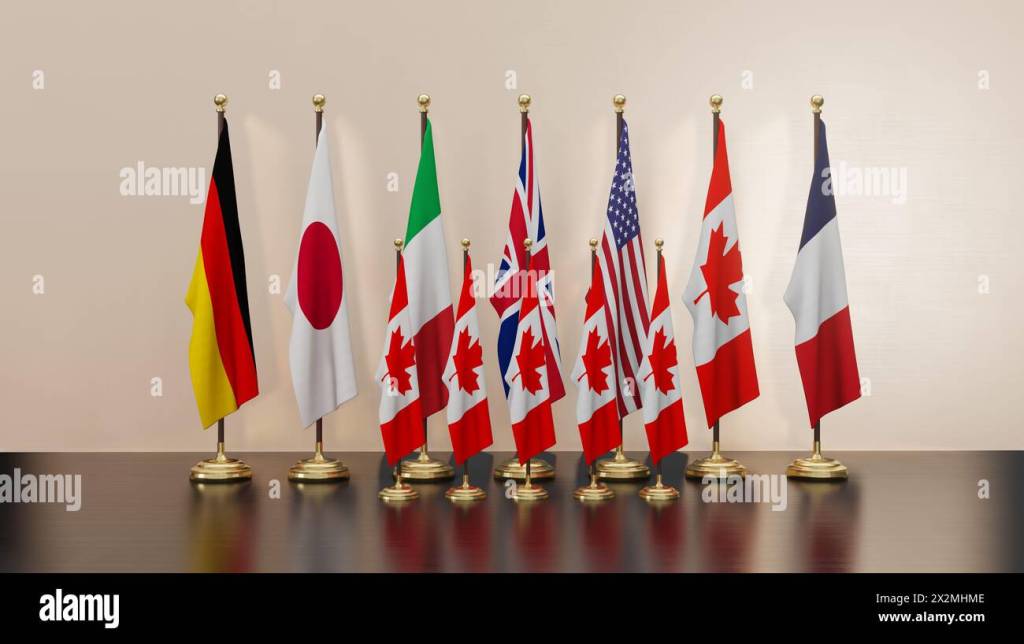

Opinion | The G7 Summit Exposed a Crisis of American Leadership
At a time when the world needed unity, the G7 summit in Quebec delivered fracture. The reason? U.S. President Donald Trump.
While six of the world’s leading democracies stood ready to confront Russia’s war on Ukraine with a unified voice, Trump refused to sign on. He objected to strong language, left the summit early, and left Ukrainian President Volodymyr Zelensky empty-handed. No joint statement. No meeting. No leadership.
This wasn’t just a diplomatic stumble—it was a collapse of credibility.
Canadian Prime Minister Mark Carney, hosting the summit, pledged C$2 billion in military aid and imposed sweeping sanctions on Russian shipping and finance. France, Germany, the UK, Japan, and Italy all backed a tougher stance. But without the United States—the cornerstone of NATO and Ukraine’s most powerful ally—the message was diluted.
Zelensky didn’t mince words. “Diplomacy is now in a state of crisis,” he told G7 leaders, warning that Russia was using negotiations as a smokescreen. As he pleaded for unity, Trump was already aboard Air Force One, citing the Israel–Iran conflict as his reason for leaving early.
Then came the bombshell: Trump suggested Russia should be readmitted to the G7. He claimed the Ukraine war might have been avoided if Moscow had never been expelled. The remark wasn’t just tone-deaf—it was a gift to the Kremlin and a slap in the face to every nation that has stood by Ukraine since 2014.
The G7 is more than a summit. It’s a signal to the world that democracies will not flinch in the face of tyranny. This year, that signal was scrambled because the United States, under Trump, chose ambiguity over action.
If the West wants to preserve its moral authority, it must do more than issue watered-down statements and symbolic gestures. It must lead with clarity, courage, and conviction.
Trump didn’t just walk away from the table—he walked away from leadership.
 Mentonym Express