



From Playground to Battlefield: The Global Consequences of Unchecked Bullying
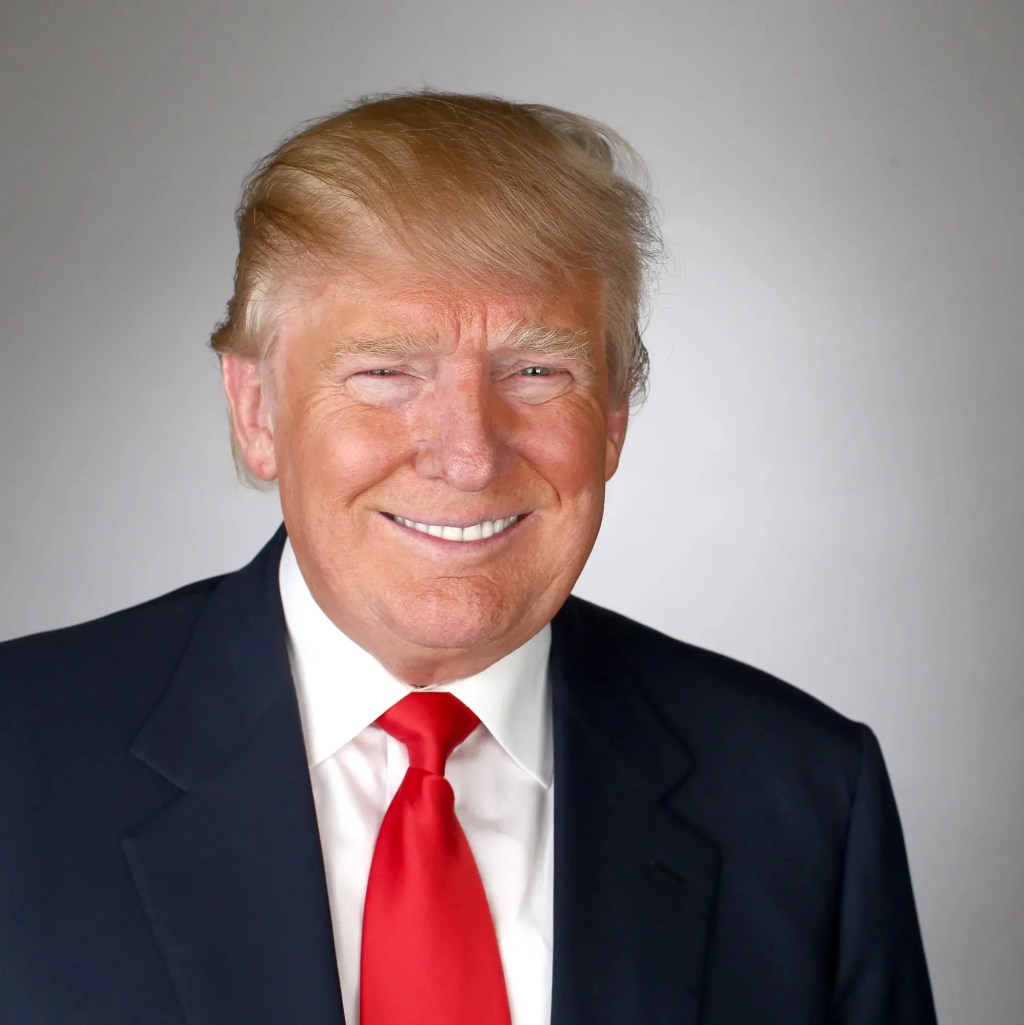
Bullying isn’t immaturity—it’s a strategy. When tolerated by institutions or exploited by leaders, it escalates into systemic corrosion. It doesn’t just hurt individuals; it sabotages accountability, weakens democracy, and rewards aggression. From Spartan barracks to Ukraine’s front lines, unchecked bullying has reshaped history—and the blueprint is disturbingly consistent. Trump’s second-term tactics revealed a doctrine: institutional bullying as a form of governance. Congress hesitated, refusing to enforce subpoenas or counter executive overreach. The Senate converted oversight into partisan protection, stacking the judiciary with loyalists instead of jurists. And the Supreme Court—our final firewall—was bypassed through emergency appeals and behind-the-scenes pressure. Even justices voiced concern: intimidation was eroding the integrity of the bench.
This wasn’t politics as usual—it was precedent. Trump bullied the Constitution—and won. And that victory resonated globally. Strongmen around the world watched America’s deepest systems bend under pressure. They learned: silence dissent, flood the courts, control the narrative, weaponize fear. And when the world blinked, they advanced.
History echoes this dynamic. Sparta institutionalized cruelty. Boys were subjected to state-sponsored hazing not as punishment, but preparation. Feudal Europe reinforced status through humiliation; the clergy and nobility engineered obedience by stripping individuals of agency. These weren’t isolated abuses—they were structured systems of coercion. World War I transformed bullying into patriotic theater. British women handed white feathers to men not in uniform, publicly shaming them into enlistment. Thousands joined not out of conviction, but under coercion cloaked in nationalism.
The 1930s revealed bullying as diplomacy. Hitler absorbed Austria without firing a shot, bullied Czechoslovakia into surrender, and met little resistance. Europe’s appeasement wasn’t caution—it was complicity. The result? Global war, genocide, and collapse. Japan mirrored this with its campaign against China. The world’s hesitation gave implicit approval. The Second Sino-Japanese War wasn’t a sudden invasion—it was a slow burn fueled by unchecked aggression.
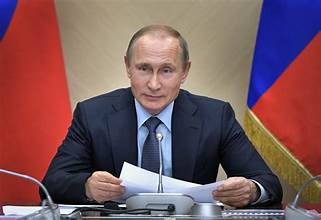
During the Cold War, bullying became a global phenomenon. The U.S. and USSR manipulated smaller nations through sanctions, proxy wars, and ideological pressure. Resistance triggered retribution: Korea, Vietnam, Afghanistan. These weren’t accidents. They were reactions to coercion disguised as policy. In 2022, Russia’s invasion of Ukraine was the final stage of a bullying campaign. Crimea was seized with minimal pushback. Interference followed—elections were disrupted, and infrastructure was attacked. Western restraint signaled acceptance. By the time tanks rolled in, the damage was already sanctioned. Civilians displaced. Markets shattered. A precedent set.
Even today’s military cultures foster bullying. Hazing rituals endure. British Army recruits speak of forced humiliation—spitting, degradation, verbal assaults—masquerading as tradition. This isn’t camaraderie. It’s indoctrination. And its cost is identity, trust, and long-term psychological health. The damage, once scaled, is catastrophic. Victims suffer PTSD, depression, and isolation. Aggressors evolve into emotionally unstable manipulators. Bystanders absorb fear and guilt. Neuroscience confirms it: bullying rewires the brain. At the institutional level, the result is paranoia, polarization, and collapse.
Cyberbullying is now its own battlefield. Disinformation campaigns mirror psychological abuse—relentless, anonymous, designed to erase identity and destabilize nations. The tactics are identical. Only the medium has changed. Even amid widespread institutional retreat, a few figures stood firm. California Governor Gavin Newsom openly defied Trump’s federalization of the National Guard, calling it a “disgrace” and a “brazen abuse of power.” He sued the administration, refused to relinquish control, and warned that Trump’s tactics were not isolated—they were a preview of national escalation. Newsom’s resistance wasn’t rhetorical; it was structural. He convened emergency legislative sessions to “Trump-proof” California’s laws, rallied governors nationwide, and declared: “Do not give in to him.” His defiance became a blueprint for state-level resistance to executive overreach.
Federal Reserve Chair Jerome Powell also refused to be cowed. When Trump publicly misrepresented renovation costs at the Fed’s headquarters, Powell corrected him in real time—on camera—refusing to validate falsehoods. Despite months of pressure to slash interest rates and threats of termination, Powell held the line, defending the Fed’s independence and refusing to bend to political intimidation. His quiet but firm resistance was a rare moment of institutional integrity under siege.
History proves one thing: bullying escalates when tolerated. Appeasement offers temporary calm—but invites long-term catastrophe. Whether it’s a tyrant, a regime, or a toxic ideology, unchecked coercion constantly expands. And when resistance finally arrives, it’s no longer symbolic—it’s existential.
Every concession to a bully lights a fuse. Every silence fans the flames. And every excuse becomes an accelerant. Giving oxygen to this fire is not just dangerous—it’s generationally catastrophic.

Elevate your space with this refined candle fragrance—a seamless blend of warm spices, velvety patchouli, and delicate jasmine. Deep oud and amber enrich the composition, wrapping the air in an aura of timeless sophistication. Designed to captivate the senses, this luxurious scent transforms any room into a haven of elegance and indulgence C10059…..$17.28
 Mentonym Express