


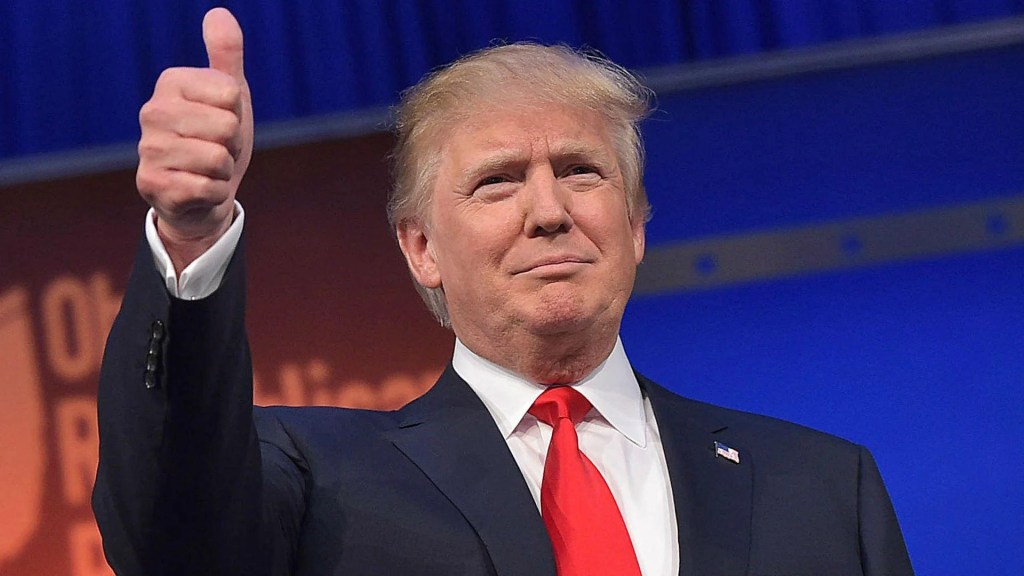
Since returning to office in January 2025, President Donald Trump has repeatedly claimed he “stopped six wars,” presenting himself as a global peacemaker and master negotiator. However, a closer look reveals a different reality: none of those conflicts ended in a formal resolution. Not one produced lasting peace. What Trump calls diplomacy amounts to a series of temporary pauses, repackaged as permanent victories.
In speeches and social media posts, Trump has taken credit for de-escalating tensions between Israel and Iran, India and Pakistan, Cambodia and Thailand, Serbia and Kosovo, Egypt and Ethiopia, and the Democratic Republic of Congo and Rwanda. He’s even claimed to have averted a “nuclear disaster.” Yet beneath the surface, his involvement in these conflicts is thin, disputed, or entirely symbolic.
Trump points to a brief “cooling off” period between Israel and Iran following U.S. airstrikes on Iranian nuclear sites. While a ceasefire was announced, no treaty was signed, and proxy hostilities continue. Intelligence analysts refer to it as a tactical pause—not a strategic breakthrough. The India–Pakistan ceasefire followed India’s retaliatory strikes under Operation Sindoor. Indian officials have repeatedly denied that Washington played any role in halting the fighting. Trump’s claim appears to be a rebrand of diplomacy he didn’t initiate. Dialogue between Serbia and Kosovo resumed under international pressure, but no binding resolution followed. Trump’s presence was ceremonial, not catalytic. In the case of Egypt and Ethiopia, Trump declared the Nile dam dispute “solved” during his first term. Ethiopia skipped the final meeting. No deal was reached—just a press release. Temporary ceasefires in Cambodia–Thailand and Congo–Rwanda were brokered, but fighting resumed within weeks. No enforcement mechanisms were implemented. No lasting peace was achieved.
Despite the fanfare, none of these conflicts ended in formal agreements. No treaties. No durable frameworks. Just headlines and handshakes.
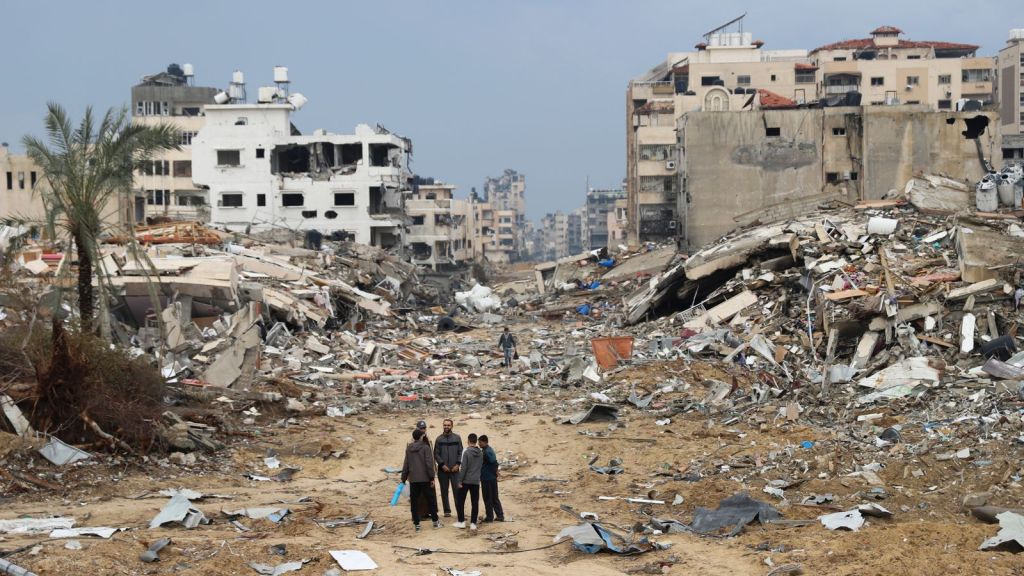
While Trump touts his peacemaking record, several major conflicts remain untouched. The Russia–Ukraine war continues, despite Trump’s pledge to end it “in 24 hours.” No plan. No progress. Talks with Putin produced no final deal. The Israel–Hamas conflict remains active, with no Trump-led breakthrough. Civil wars in Sudan, Myanmar, and Yemen persist—unmentioned and unresolved.
“This is diplomacy as performance art,” said a former State Department official. “There’s a difference between hosting a summit and securing peace.” PolitiFact’s analysis found Trump had a hand in some temporary ceasefires, but “evidence is scant that he stopped six wars.” His foreign policy is engineered for spectacle. The administration has released no detailed documentation of its involvement in the six cited conflicts. No ratified treaties. No durable outcomes. Just a narrative built for applause lines.
Supporters hail Trump’s efforts as bold and unconventional. But analysts warn that conflating symbolic gestures with real diplomacy misleads the public and erodes America’s credibility abroad.
Trump’s “peacemaker” persona is a strategic illusion—crafted for headlines, not history. Theatrics over treaties. Branding over resolution. And the consequences are real. When diplomacy is reduced to photo ops, the world’s most volatile conflicts are left to fester. When temporary pauses are sold as permanent solutions, the public is misled—and peace becomes a prop.
The verdict is clear: Trump didn’t stop six wars. He staged six moments. The difference isn’t semantic—it’s geopolitical. And it matters.
References
 Mentonym Express