



Political violence in America isn’t symmetrical. It’s strategic. It’s racialized. And it’s overwhelmingly driven by the right. From pipe bombs to Capitol sieges, grievance has become a blood sport. The left? Guilty, yes. But not prolific. Their violence is episodic, not systemic. The right’s, by contrast, is ritualized—baked into the movement’s DNA, merchandised in flags, echoed in pulpits, and justified in policy.
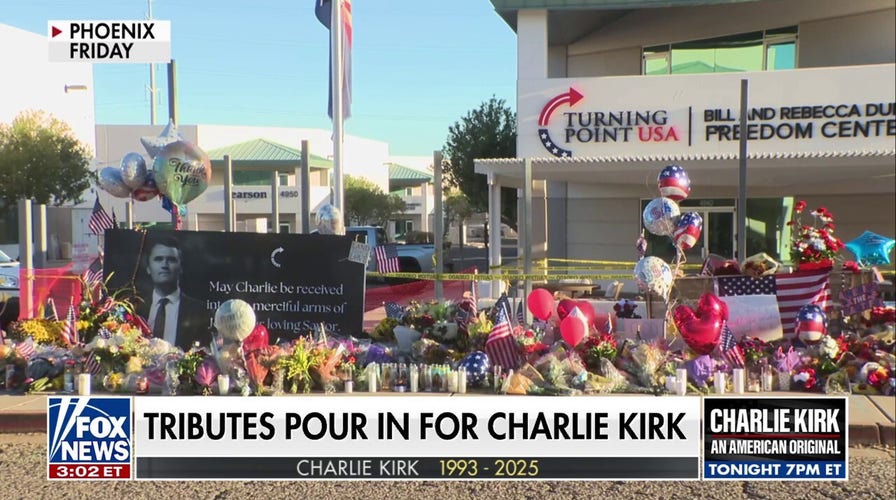
With the assassination of Charlie Kirk, the right found its martyr. Stephen Miller didn’t mourn—he mobilized. He vowed to “dismantle these terrorist networks” of left-wing organizations, offering no evidence, just vengeance. JD Vance, broadcasting from inside the White House complex, demanded employers purge anyone who “celebrated” the killing. This wasn’t grief—it was a loyalty test.
And the chorus grew louder. Jesse Watters declared on Fox News, “They are at war with us, whether we want to accept it or not… This is a turning point. It ends now.” Steve Bannon called Kirk “a casualty of war” and warned, “We’re at war in this country.” He demanded mass firings of anyone who mocked Kirk’s death and accused the media of running cover for left-wing extremism. Their message was clear: this wasn’t a tragedy—it was a trigger. The left, they claimed, had declared jihad. The response? Crush them with the force of the state.
But let’s be clear: there is no war. No coordinated insurgency. No left-wing terror network executing political figures. Tyler Robinson, the suspect, had no manifesto, no cell, no strategic ties. His digital footprint was a chaotic stew of memes and fringe obsessions. Bannon’s framing isn’t analysis—it’s delusion. He’s not diagnosing reality—he’s manufacturing it. By declaring war, he’s trying to drag the nation into a conflict that exists only in his rhetoric, one where every nonprofit is a sleeper cell, every tweet is a threat, and every critic is a combatant.
This is the same playbook he’s used for years: take a tragedy, strip it of nuance, and repackage it as proof of existential threat. It’s how he justifies purges, surveillance, and ideological crackdowns. It’s how he turns mourning into mobilization. But we don’t have to accept his fantasy. There is no battlefield. There is only a man with a microphone, spinning grief into grievance, hoping the echo chamber will do the rest.
Meanwhile, the left’s violence—when it erupts—is reactive, chaotic, and politically incoherent. Property damage? Yes. Arson? Occasionally. But rarely the kind of ideologically disciplined bloodletting that defines the far-right ecosystem.
Charleston. El Paso. Buffalo. Charlottesville. Four cities. Four massacres. One ideology. These weren’t random acts—they were executions. Dylann Roof sat through Bible study before opening fire. Patrick Crusius drove ten hours to find a border town. Payton Gendron livestreamed his slaughter in Buffalo. James Fields weaponized his car against anti-racist protesters.
Each left behind manifestos soaked in white supremacist paranoia. Each echoed the same fear: demographic replacement. And each found validation—not just in fringe forums, but in the rhetoric of mainstream figures. Stephen Miller didn’t invent this ideology—he institutionalized it. JD Vance didn’t just mourn Kirk—he used the moment to call for ideological purges. Their response to violence isn’t justice—it’s escalation. Their mourning isn’t solemn—it’s strategic.
This is the asymmetry: the left combusts. The right trains. The left reacts. The right mobilizes.
Melissa Hortman, Speaker of the Minnesota House, was assassinated alongside her husband by a man with a far-right hit list. Trump refused to lower flags, saying it would “waste time” to call Minnesota’s Democratic governor. Paul Pelosi was bludgeoned in his home by a QAnon-adjacent attacker. Right-wing media mocked the incident, spread conspiracy theories, and turned his skull fracture into a meme. Gabby Giffords was shot in the head. The shooter’s motives were murky, but the climate was clear: Palin’s “target map” had placed crosshairs over her district. She survived—but the right’s silence was deafening. Josh Shapiro’s residence was set ablaze while his family slept inside. The arsonist had posted anti-Democrat screeds and militia content. No national mourning. No bipartisan condemnation.
These weren’t just tragedies—they were political executions. And the response wasn’t unity. It was mockery, denial, and escalation.
Charlie Kirk was assassinated while speaking at Utah Valley University. Within hours, Trump ordered flags lowered nationwide, announced a Presidential Medal of Freedom, and delivered a video address calling the killing a national tragedy. Ted Cruz compared it to JFK and MLK. Right-wing influencers declared, “This is war.” The mourning wasn’t just loud—it was militarized. The shooter had no manifesto. No cell. No strategy. But that didn’t stop Miller and Vance from demanding purges and threatening nonprofits.
Compare that to Hortman’s death—no national address, no funeral attendance, no flag ceremony. Trump posted a short message and blamed the Democratic governor.
When Democrats are murdered, the right shrugs or sneers. When one of their own is killed, they canonize, weaponize, and mobilize. Charlie Kirk’s death became a rallying cry. Melissa Hortman’s death became a footnote.
This isn’t just asymmetry. It’s a hierarchy of grief—where mourning is reserved for allies, and silence is the price of opposition.
And if you dare to challenge that hierarchy, the consequences are swift. Since Kirk’s assassination, dozens of individuals who mocked or criticized the mourning have been fired, suspended, or placed on leave. Teachers. Journalists. Pilots. Nonprofit board members. Corporate employees—from Nasdaq to Office Depot to the Carolina Panthers. Matthew Dowd was fired from MSNBC for linking Kirk’s rhetoric to political violence. Karen Attiah was dismissed from The Washington Post for critiquing the racial dynamics of the public mourning. American Airlines, the Secret Service, and military branches launched investigations into personnel who commented on the killing. A Florida congressman called for defunding and license revocation of anyone in public service who “celebrated” Kirk’s death.
This isn’t grief. It’s enforcement. The mourning has become a mechanism of control.
Now compare that to the Democratic response when their own are murdered. After Hortman and Senator John Hoffman were assassinated, the Minnesota delegation issued a joint statement condemning the attack as “horrible” and “politically motivated.” Senator Amy Klobuchar called it “targeted political violence.” Governor Tim Walz said, “We are not a country that settles our differences at gunpoint.” President Biden called the killings “heinous.” Kamala Harris called the attack “horrifying.” Chuck Schumer called it “an assault on our democracy.”
When Paul Pelosi was attacked, Democrats rallied around Nancy Pelosi and condemned the conspiracy theories that fueled it. After Gabby Giffords was shot, they pushed for gun control and increased security. When Josh Shapiro’s residence was set on fire, they called it terrorism and demanded a federal investigation.
But here’s the asymmetry: no one was fired, suspended, or investigated for mocking those deaths. No disciplinary wave. No loyalty tests. No corporate purges. Pelosi’s assault became a meme. Giffords’ shooting was met with silence. Hortman’s death was politicized and dismissed.
The right mocks Democratic deaths with impunity. The left mourns Republican deaths under surveillance.
The right-wing movement didn’t begin with Trump. It was simmering—militia groups, Tea Party rage, anti-immigrant hysteria. But Trump’s 2016 campaign was the ignition point. He mainstreamed the fringe. He gave white nationalists a podium, conspiracy theorists a slogan, and violent actors a sense of presidential validation. His rhetoric—“build the wall,” “ban Muslims,” “lock her up”—wasn’t just populist. It was a call to arms.
The alt-right exploded from forums into rallies. Groups like Turning Point USA pushed “America First” into college campuses. Violent actors cited Trump as an inspiration—from Charlottesville marchers to January 6 rioters. Trump blurred the line between conservative populism and militant extremism. He didn’t invent the movement. He branded it. He scaled it. He made it electable.
This isn’t war. It’s sabotage.
Right-wing extremists aren’t defending America—they’re dismantling it. They exploit tragedy, manufacture enemies, and weaponize grief to justify purges, surveillance, and ideological control. Then they turn around and blame the very chaos they’ve engineered on the people trying to hold the line.
They’ve convinced millions that mourning is a battlefield, that dissent is terrorism, and that loyalty means silence. But the real danger isn’t just the violence—it’s the permission structure that follows. The firings. The purges. The threats. The normalization of vengeance as governance.
Both the right and the left must ask: Who benefits from this escalation? Who profits from division? Who keeps power by keeping us afraid of each other?
If we don’t confront the machinery behind this—if we don’t name the architects of this asymmetry—we’re not just losing the narrative. We’re losing the country.
References
- NBC News (July 2025) – Coverage of Stephen Miller’s statement following Charlie Kirk’s assassination.
- The Hill (July 2025) – JD Vance’s remarks on employer retaliation and podcast appearance.
- Department of Justice (2015) – Dylann Roof’s church shooting and federal hate crime conviction.
- FBI (2019) – El Paso shooter Patrick Crusius and domestic terrorism classification.
- New York Times (2022) – Payton Gendron’s Buffalo shooting and livestream details.
- Southern Poverty Law Center (2017) – Charlottesville car attack by James Fields.
- The Atlantic (2020) – Analysis of Stephen Miller’s immigration policies and racial impact.
- Star Tribune (June 2025) – Reporting on Melissa Hortman’s assassination and Minnesota delegation response.
- Truth Social (June 2025) – Donald Trump’s post declining flag-lowering for Hortman.
- Washington Post (2022) – Coverage of Paul Pelosi’s assault and conspiracy theories.
- Fox News (2022) – Commentary and memes surrounding Pelosi’s attack.
- New York Times (2011) – Sarah Palin’s “target map” and Gabby Giffords shooting context.
- Philadelphia Inquirer (May 2025) – Arson attack on Josh Shapiro’s residence and militia ties.
- CNN (July 2025) – Trump’s national address and flag-lowering order after Kirk’s death.
- C-SPAN (July 2025) – Ted Cruz’s comparison of Kirk to JFK and MLK.
- Reuters (July 2025) – List of firings and suspensions following public reactions to Kirk’s death.
- MSNBC internal memo (July 2025) – Termination of Matthew Dowd over on-air commentary.
- Washington Post (July 2025) – Karen Attiah’s dismissal and editorial controversy.
- Politico (July 2025) – Investigations by American Airlines, Secret Service, and military branches.
- Miami Herald (July 2025) – Florida congressman’s call for defunding and license revocation.
- White House press release (June 2025) – Biden’s statement on Hortman’s assassination and extremism.
 Mentonym Express