


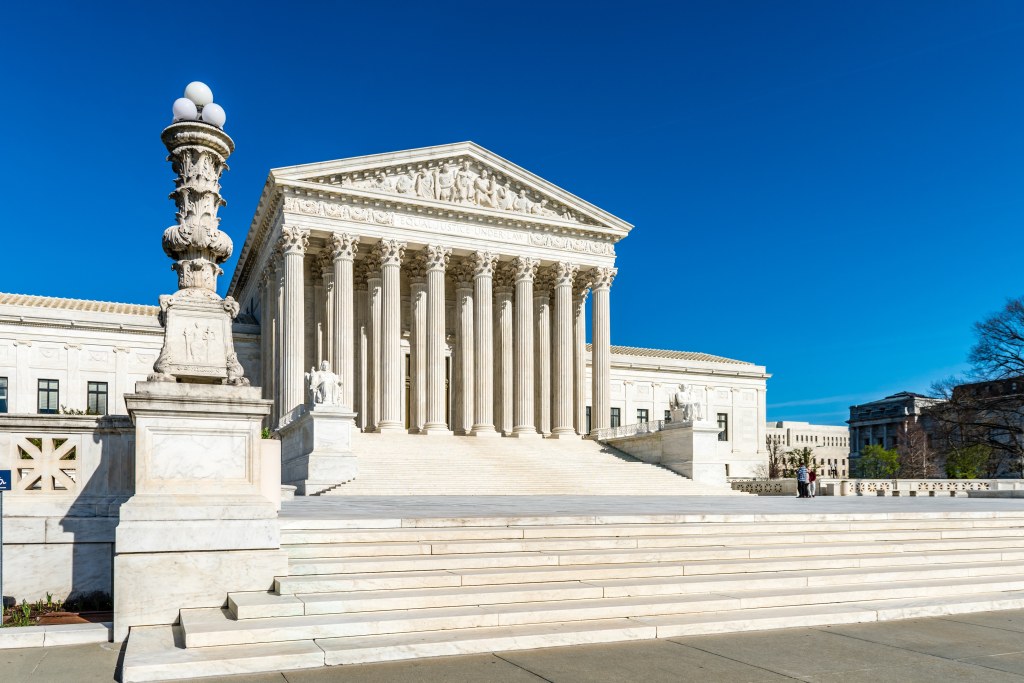
The illusion of judicial restraint is over. The Supreme Court isn’t checking Trump’s power—it’s amplifying it. While pundits peddle fantasies of constitutional balance, the reality is stark: the Court has become an active enabler of executive overreach, operating with precision, loyalty, and silence.
Since Trump’s return to office, the Court has handed him fifteen consecutive emergency wins. No hearings. No explanations. Just raw, unchecked authority. These shadow docket rulings have allowed him to fire thousands of federal workers, unleash roving immigration raids, gut protections for transgender Americans, and dismantle entire agencies without oversight. This isn’t judicial review—it’s judicial surrender.
Lower courts ruled that Trump’s immigration raids violated the Fourth Amendment. The Supreme Court overruled them—without comment. When Trump claimed sweeping immunity from criminal prosecution, the Court didn’t just agree—they rewrote constitutional norms to shield him. Justice Ketanji Brown Jackson called it “Calvinball jurisprudence”—rules rewritten mid-game to suit one man. She was being diplomatic. This is constitutional sabotage.
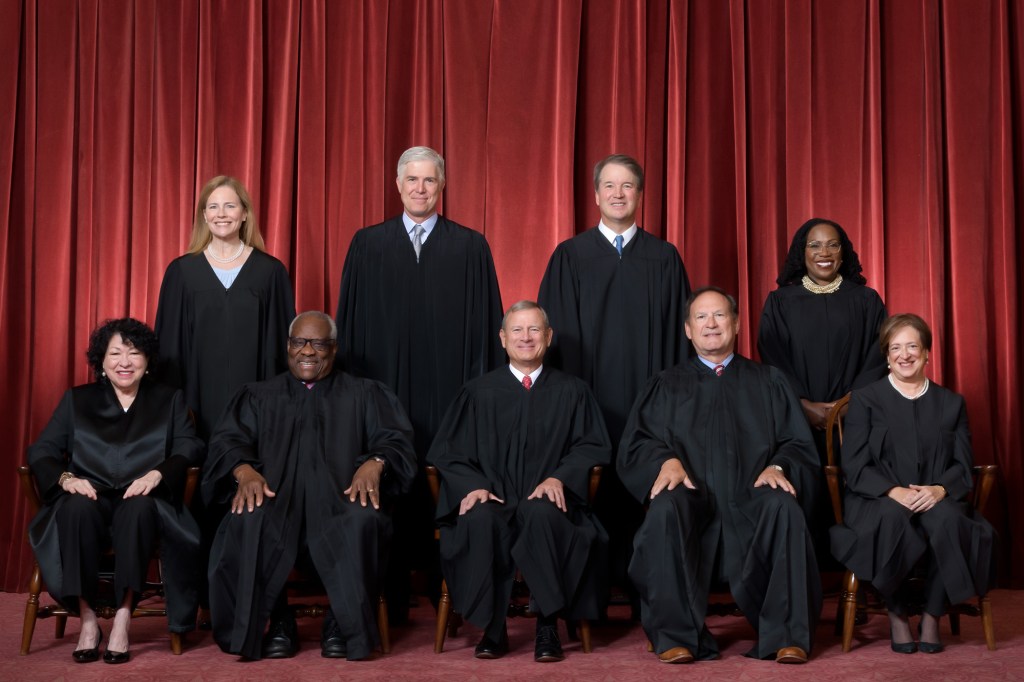
And the architects of this sabotage aren’t anonymous. They’re named. They’re deliberate. They’re strategic.
Neil Gorsuch treats the presidency as a sovereign force. He backed Trump’s immunity in Trump v. United States and has pushed to dismantle the administrative state—clearing the path for Trump to override regulations and purge federal leadership at will.
Brett Kavanaugh has long argued that presidents should be immune from prosecution. Now he’s extended that shield to former presidents, too. He’s supported Trump’s power to fire independent officials and enforce sweeping emergency actions, even when they trample statutory protections. His judicial philosophy isn’t conservative—it’s monarchical.
Amy Coney Barrett authored the opinion allowing Trump to move forward with ending birthright citizenship, gutting a century-old precedent. In the immunity case, she offered nuance—but still upheld the core doctrine of presumptive immunity. Her posture is tactical, not oppositional. She reinforces the shield, even while pretending to question it.
Then there’s John Roberts—the institutionalist turned enabler. Roberts talks like a guardian of judicial independence, but he authored the immunity decision himself, declaring presidents immune from criminal prosecution for “official acts”—without defining what “official” even means. His emergency rulings have allowed Trump to override Congress, fire watchdogs, and sidestep judicial review. Federal judges have accused Roberts of undermining their authority. His silence has validated Trump’s attacks on “activist judges” and eroded public trust in the judiciary. Roberts didn’t just approve Trump’s power grab—he engineered it.
Yes, there are exceptions. A federal appeals court upheld an $83.3 million defamation judgment against Trump for smearing E. Jean Carroll. And the Supreme Court has agreed to hear a challenge to his abuse of emergency powers under the International Emergency Economic Powers Act—a case that could unravel $750 billion in tariffs and destabilize his economic agenda. But these are slow, procedural skirmishes. Meanwhile, Trump’s legal war machine is winning in real time—with the Supreme Court as its forward operating base.
This Court isn’t neutral. It’s weaponized. The few rulings against Trump are symbolic, not structural. They don’t constrain—they camouflage.
This isn’t just a legal crisis. It’s a constitutional collapse. The balance of powers is gone. The Supreme Court is no longer a counterweight. It’s ballast. It’s camouflage. It’s the robe-wrapped engine of Trump’s second-term blitz.
And here’s the truth we can’t afford to ignore: our freedoms are in trouble. The guardrails are gone. The institutions we were told would protect us have folded. If we wait for the courts to save us, we’ll lose more than time—we’ll lose the Republic.
We must stand up. We must speak out. We must expose, escalate, and resist. The courts have abdicated their role. We haven’t. The Constitution doesn’t defend itself. That’s our job now.
References
- Trump v. United States, Supreme Court decision on presidential immunity (2024)
- Justice Ketanji Brown Jackson dissent, Trump v. United States
- Emergency docket rulings: SCOTUSBlog, “Shadow Docket Tracker”
- Jean Carroll v. Trump, Southern District of New York (2024–2025)
- International Emergency Economic Powers Act challenge: SCOTUS cert grant (2025)
- Federal judges’ criticism of Roberts: NBC News, “Judges Push Back on Supreme Court Silence”
- Barrett’s opinion on birthright citizenship: Doe v. United States, 2025
 Mentonym Express