


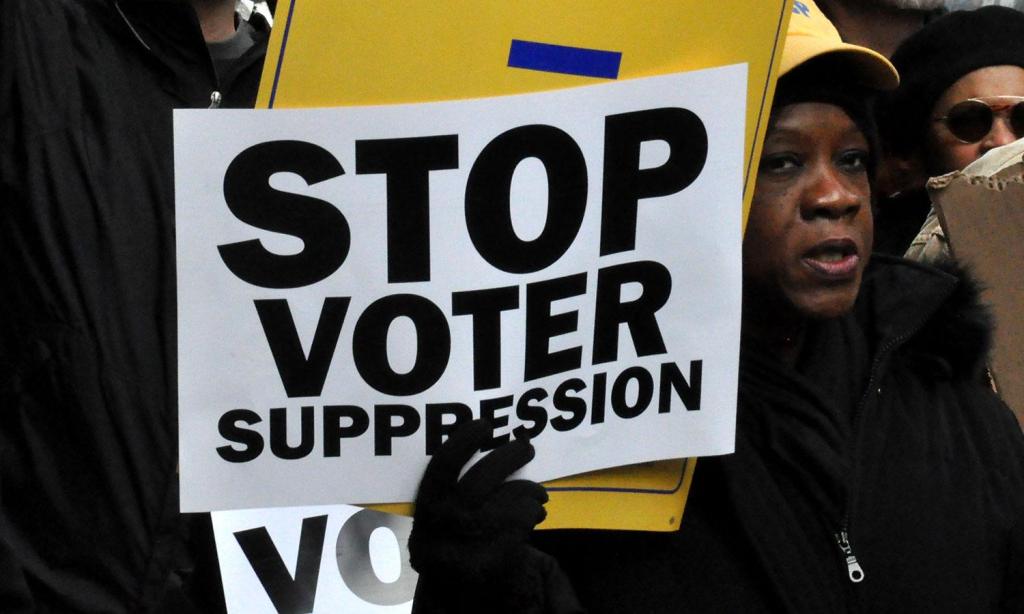
Across the country, a quiet crisis is unfolding—one that threatens the foundation of American democracy. Republican lawmakers in multiple states are redrawing congressional maps mid-decade, not to reflect population changes, but to rig outcomes. From North Carolina to Texas, GOP-controlled legislatures are targeting swing districts and communities of color in what voting rights advocates are calling a “national theft of the vote.”
In North Carolina, Republican leaders are preparing to redraw the state’s congressional map to flip a single swing seat—NC-1—without changing a single vote. The move follows a directive from President Donald Trump urging GOP-led states to “take back the House” by redrawing maps before the 2026 midterms. Similar efforts are underway in Ohio, Georgia, Texas, and Florida, where Republican legislatures are exploiting legal loopholes and favorable court rulings to redraw maps outside the normal decennial cycle.
“This isn’t about population shifts or fair representation,” said Maya Thompson, a voting rights attorney based in Atlanta. “It’s about rigging the game while the clock is still running.”
Gerrymandering—the manipulation of electoral boundaries to favor one party—isn’t just a political tactic. It’s a form of systemic sabotage. It fractures communities, erases voices, and locks millions of Americans into districts designed to ignore them. Cracking splits neighborhoods apart. Packing isolates dissent. Hijacking steals competitive races from voters who’ve earned them. The Supreme Court’s 2019 ruling that partisan gerrymandering is not unconstitutional left regulation to the states. In North Carolina, the state Supreme Court reversed a previous ban in 2023, giving Republicans full legal cover.
While partisan gerrymandering is legal in many states, racial gerrymandering remains unconstitutional. Civil rights groups are preparing lawsuits in states where new maps appear to dilute minority voting strength. “There’s a real chance this could backfire,” said David Martinez, a policy analyst with the Brennan Center. “If the maps are too aggressive or too racialized, courts could intervene—and voters could mobilize,” Democrats warn that this redistricting push could erode public trust and suppress turnout, deepening the disconnect between voters and the system meant to serve them.
But this fight isn’t just legal—it’s existential. Gerrymandering doesn’t just redraw lines on a map. It redraws the boundaries of power. It silences entire neighborhoods. It punishes participation. It’s how a party can lose the popular vote and still win control. It’s how democracy dies—not with a bang, but with a spreadsheet.
The damage is cumulative and corrosive. Gerrymandering breeds cynicism. It tells voters their voices don’t matter. It rewards extremism and punishes compromise. It creates safe seats for politicians who no longer need to listen. It turns elections into formalities. And it leaves communities—especially communities of color—trapped in a cycle of disenfranchisement.
But here’s the truth: gerrymandering only works if we let it. It thrives on silence, apathy, and despair. And that’s where we fight back.
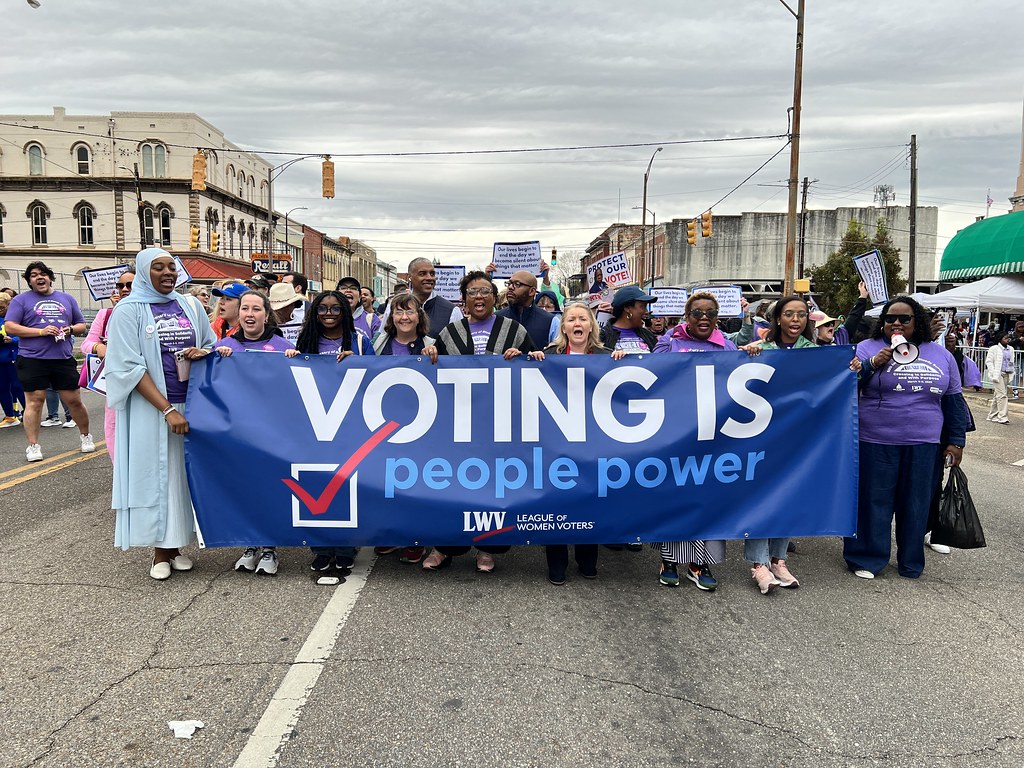
You don’t need a law degree to fight back. You need courage, community, and clarity. When communities organize, they reclaim their voice. Voter registration drives, education campaigns, door-knocking, phone banks, and turnout efforts in cracked or packed districts can transform despair into power. High turnout can make even engineered districts competitive.
Ballot initiatives and constitutional amendments offer a path to reform. Where citizen-led petitions are allowed, coalitions can qualify measures for the ballot and run integrated campaigns to pass them. These efforts aren’t just procedural—they’re acts of hope.
Electing local and state officials who control redistricting is another way forward. Targeting state legislative races, secretary of state contests, and governors’ races with precision and purpose can dismantle the machinery of map-rigging.
Transparency campaigns shine light where it’s needed most. Open hearings, live-streamed map-drawing sessions, public data releases, and exposure of backroom deals can hold mapmakers accountable. Media and social campaigns can turn outrage into action.
Journalism and data advocacy help people see what’s being done to them. Collaborations with local reporters, academic analysts, and civic tech groups can produce visualizations and explainers that make displacement and bias impossible to ignore.
Corporate pressure can shift incentives. Campaigns targeting companies with business interests in affected states can push them to speak out or halt donations. Public pressure creates reputational and financial consequences for lawmakers who rig the rules.
Even without changing maps, policy can soften the blow. Expanding early voting, absentee ballots, same-day registration, multilingual materials, and restoring polling places in marginalized communities can reduce the harm of gerrymanders.
Civic education builds long-term resilience. Training community leaders in civic mapping, census participation, and local organizing helps neighborhoods understand how lines are drawn—and how to influence them.
Nonviolent direct actions and symbolic protests focus attention and galvanize volunteers. Rallies, creative street theater, and visual stunts in front of state capitols or lawmakers’ offices can generate media and momentum.
Strategic alliances broaden the fight. Linking voting rights to healthcare, education, and economic fairness brings new voices into the coalition. Faith leaders, labor unions, business groups, and civil rights organizations can make gerrymandering a shared priority.
Technology can help communities respond in real time. SMS alerts, apps, and social platforms can notify voters when maps are released, hearings are scheduled, or urgent calls are needed. Precinct-level targeting tools help organizers use resources where they matter most.
FINAL CALL TO ACTION
If you’ve ever felt your vote didn’t count, this is your moment. Gerrymandering is designed to make you give up—but you can turn it on its head. Whether you’re a Republican, a Democrat, or an independent who’s tired of being used and ignored, this fight is about your voice, your power, and your future.
If you want your vote to matter, stand up and be noticed. Vote in every local, state, and federal election. Support reformers. Mobilize your block. Reclaim your district. Reclaim your voice.
They fear your vote. Make them regret it.
REFERENCES AND FURTHER READING
Rucho v. Common Cause (2019) – Supreme Court decision on partisan gerrymandering: PDF
Brennan Center for Justice – Redistricting and voting rights resources: brennancenter.org
Princeton Gerrymandering Project – Nonpartisan analysis of map fairness: gerrymander.princeton.edu
The New York Times – Coverage of redistricting battles: NYT Redistricting Archive
The Washington Post – State-by-state reporting on gerrymandering: washingtonpost.com
Politico – National political analysis of redistricting: politico.com
Mother Jones – Investigative reporting on GOP strategy: motherjones.com
The Conversation / WLRN – Academic and regional analysis on redistricting impacts: wlrn.org
U.S. Department of Justice – Civil Rights Division – Voting rights enforcement: justice.gov/crt
 Mentonym Express