



In a sweeping off-year victory, Democrats surged across key states in what many are calling a referendum on economic hardship and President Trump’s leadership. From Virginia to California, voters delivered a resounding message—driven by frustration over affordability, civic mobilization, and a growing rejection of authoritarian politics.
Democrats flipped legislative chambers, expanded suburban strongholds, and passed progressive ballot measures that reshaped the political map. In Virginia and New Jersey, they reclaimed districts lost in the 2024 election. In New York City, progressive Zohran Mamdani unseated Trump-endorsed Andrew Cuomo in a stunning mayoral upset. And in California, Proposition 50—designed to block Trump-aligned redistricting—passed decisively. Exit polls revealed that nearly 40% of voters in battleground states cast ballots specifically to oppose Trump, with Democrats winning almost all of them. “This wasn’t just a win—it was a warning,” said one Democratic strategist. “Voters are done with chaos and culture wars. They want solutions.”
Across every primary race, affordability was a dominant factor. Voters cited rising rent, utility bills, healthcare costs, and stagnant wages as top concerns. Democrats leaned into economic pragmatism, pledging to tackle these issues head-on. In Virginia, federal budget cuts and infrastructure neglect fueled frustration, especially among furloughed workers. In New Jersey, property taxes and energy costs topped the list of complaints. In New York City, seven in ten voters cited housing costs as a significant problem. In California, the passage of Prop 50 was driven by backlash against redistricting tactics seen as deepening inequality. “I’m tired of the drama. I want someone who can lower my rent and fix the roads,” said a voter in Richmond, VA.
In Virginia, Abigail Spanberger flipped exurban counties by focusing on infrastructure and economic stability. Suburban independents swung left, citing dysfunction and inflation. In New Jersey, Mikie Sherrill expanded her margin by 13 points, winning over moderate Republicans and independents. In New York City, Zohran Mamdani mobilized youth and progressive voters, flipping precincts that backed Cuomo in 2021. His campaign emphasized housing justice and anti-authoritarianism. In California, Prop 50 passed with over 65% support, reshaping the state’s political map. Latino and Asian-American voters backed the measure overwhelmingly.
Several themes unified voters across regions. Economic anxiety was widespread, with many feeling “squeezed” and “ignored” by both parties, but trusting Democrats more on affordability. Anti-Trump backlash wasn’t passive—it mobilized voters who turned out specifically to oppose his influence. Generational divides were clear: younger voters prioritized housing and climate, while older voters focused on taxes and healthcare. Democrats bridged these divides by connecting affordability to both childcare and fixed-income protections. Suburban realignment was another key factor, with moderates rejecting culture war rhetoric and backing candidates focused on local economic issues.
Just weeks before the election, No King’s Day became a flashpoint for civic mobilization. With over 7 million participants across 2,700 events, it was one of the most significant protest movements in U.S. history. Protesters rallied against executive overreach, redistricting abuse, and federal program cuts. Events included voter registration drives and organizing workshops. The movement helped frame the election as a referendum on authoritarianism and economic injustice. “It’s this civic moment that is unparalleled,” said Lisa Gilbert of Public Citizen. “What we need… is activation and understanding far beyond anything we’ve had before.”
Trump’s mid-decade redistricting campaign was designed to shore up Republican control of the House by urging GOP-led states to redraw congressional maps outside the normal post-census cycle. States like Texas, Missouri, North Carolina, and Indiana responded, shifting districts to favor Republican candidates. But the backlash was swift and multifaceted. California’s passage of Proposition 50 was a direct response to Trump’s redistricting push. The measure allows Democrats to temporarily bypass the state’s independent redistricting commission and redraw maps to favor their party—potentially flipping up to five seats. Governor Gavin Newsom framed it as “meeting fire with fire,” and its success has emboldened other blue states, such as Maryland and Illinois, to consider similar moves.
Trump’s redistricting push energized Democratic voters who viewed it as an attempt to “rig the system.” A CBS News poll found that many Californians supported Prop 50 specifically to oppose Trump and national Republicans. This sentiment helped drive turnout in the 2025 elections, contributing to Democratic sweeps in Virginia, New Jersey, and New York City. Several of the newly drawn GOP maps now face legal challenges. In Missouri and Texas, courts are reviewing whether the changes violate voting rights protections. In Indiana, Trump had to pressure reluctant lawmakers into a special session, exposing internal GOP divisions. Maryland Democrats warned that mid-cycle redistricting could backfire, with Senate President Bill Ferguson saying, “There’s fighting fire with fire, and then there’s unintentionally burning your own house down.”
The redistricting effort also alienated moderate Republicans and independents. In states like Virginia and New Jersey, voters cited Trump’s tactics as a reason for switching sides. Democrats like Abigail Spanberger and Mikie Sherrill ran centrist campaigns that emphasized fairness and pragmatism, winning by larger margins than expected. Trump’s pressure campaign—threatening primary challenges and demanding loyalty—created friction within the GOP. In New Hampshire, Governor Kelly Ayotte resisted remapping efforts despite pressure from Trump’s team, highlighting the limits of his influence. The aggressive strategy may have galvanized opposition more than it consolidated support.
Farmers across the Midwest and South voiced deep frustration with Trump’s tariff policies, which drove up costs and disrupted export markets. In Iowa, farmers told Rep. Zach Nunn that the trade war and government shutdown had made 2025 “the most stressful year” in the history of their cooperatives. Soybean exports to China plummeted, and retaliatory tariffs from Canada and Mexico further squeezed farm income. The American Farm Bureau reported a 55% increase in farm bankruptcies in 2024, and projections for 2025 indicate a $42 billion decline in farm income. Even longtime Trump supporters in agriculture expressed concern. Caleb Ragland, president of the American Soybean Association, said farmers are still “reeling” from the last trade war and fear the new tariffs will worsen their situation.
In Virginia, farmers experienced strong harvests but depressed prices due to export disruptions. Soybean growers were hit hardest, and immigration crackdowns disrupted labor availability. The Virginia Farm Bureau reported widespread uncertainty about future planting decisions, and many rural voters, along with suburban moderates, joined Democrats like Spanberger.
In New Jersey, small-scale farmers faced rising costs for fertilizer, equipment, and fuel—driven by tariffs on steel and aluminum. While not a central export state, New Jersey’s farmers rely on stable national markets and affordable inputs. Economic strain and market volatility helped swing voters toward Democrats, especially in districts where Mikie Sherrill emphasized rural investment and trade stability.
California’s Central Valley, a global agricultural hub, was significantly impacted by Trump’s tariffs and immigration enforcement policies. Almond and soybean exports to China collapsed, and seasonal labor shortages disrupted harvests. Proposition 50’s passage was fueled in part by rural backlash against Trump’s trade and redistricting policies. Latino and Asian-American farmers supported Democrats in record numbers, contributing to a strong down-ballot performance.
These weren’t just policy disagreements—they were personal. For many voters, especially in rural communities, the economic pain was real, immediate, and exhausting. The 2025 elections gave them a chance to speak with their ballots—to demand relief, fairness, and a government that listens. Their message was clear: enough is enough.
The 2025 results offer a roadmap for flipping the House. In Virginia, Spanberger’s success puts VA-7 and VA-10 in play. In New Jersey, Sherrill’s expanded margins make NJ-3 and NJ-7 viable targets. In California, Prop 50’s redistricting boost could deliver up to five new Democratic seats. In New York City, Mamdani’s youth mobilization signals potential flips in NY-11 and NY-3. Democrats are now eyeing the House of Representatives, where a handful of flipped districts could shift control of the chamber. Their path runs through the same terrain that delivered Tuesday’s wins: suburban independents, economically anxious voters, and those disillusioned with Trump’s influence. Republicans, meanwhile, face a strategic dilemma. Trump’s presence boosts turnout in primaries but appears to energize opposition more than his own base in general elections. “If we don’t fix our message and broaden our appeal, 2026 will be worse,” warned one GOP consultant.
References:
- CBS News Exit Polls, 2025
- Fox News Voter Poll, 2025
- Public Citizen, No King’s Day Civic Mobilization Report
- California Secretary of State, Proposition 50 Results
- LegalUnitedStates.com, 2025 Election Exit Polls
- Iowa Capital Dispatch – Farmers say they need government support amid Trump tariffs
- Yahoo News – GOP senators told JD Vance that Trump’s beef deal was an ‘insult’ to farmers
- Food & Water Watch – How Trump’s Tariffs Hurt Farmers and Families
- Farm Progress – Trump tariffs spark concern as farm income projected to decline in 2025
- Virginia Farm Bureau
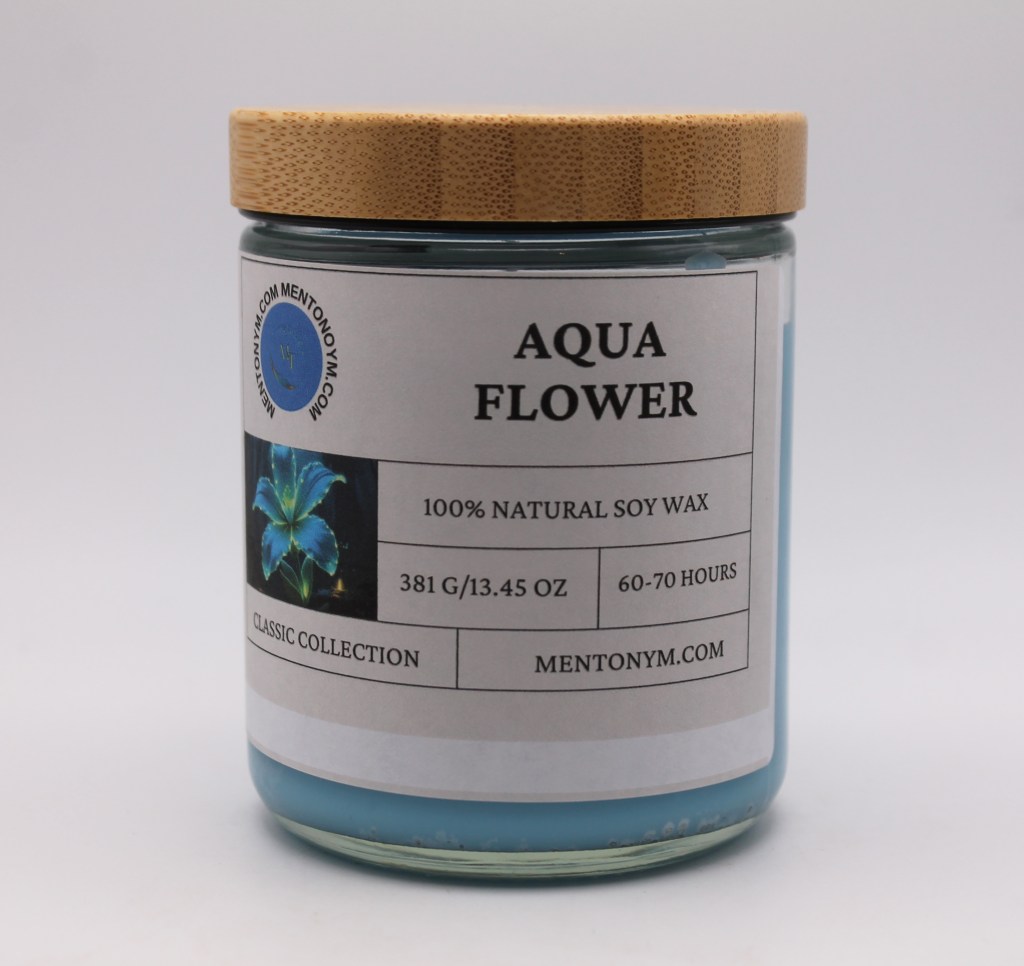
Aqua Flower
Aqua Flower blends ocean breeze and blooming petals for clarity, calm, and quiet rebellion. Soft enough to soothe, bold enough to linger—this is fragrance with intent. Use Coupon Code 0E6J5WAE0098 Sales Price $ 3.29 Regular Price $10.98
 Mentonym Express