


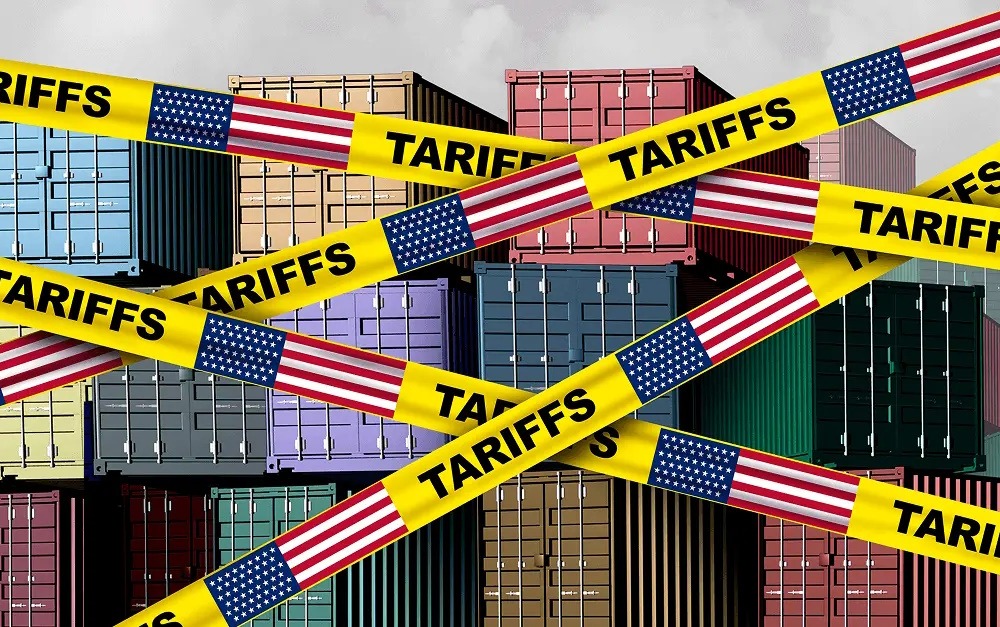

In a Newsweek opinion piece dated September 11, 2024, tariffs were branded a “lifeline for the middle class.” But this wasn’t economic analysis—it was political spin. The claim came from Kenneth Rapoza, a trade lobbyist writing under Newsweek’s opinion banner, not its editorial board. His framing ignored overwhelming evidence of consumer harm, job losses, and supply-chain disruption. By presenting tariffs as salvation, the piece misled readers and distorted the economic reality facing millions of American families. Tariffs didn’t rescue the middle class—they drained it.
This is economic gaslighting. When U.S. businesses import goods, they pay tariffs—but they don’t absorb those costs. They pass them on to American consumers. Independent analysis shows that tariff-driven price hikes affected both imported and domestic goods, with the burden falling almost entirely on U.S. households and firms—not foreign exporters. The average American household paid hundreds to over a thousand dollars more per year due to inflated consumer prices. That’s not a lifeline—it’s a financial trap.
Yes, a few industries saw short-term gains. But many more were left reeling. The Trump tariffs on washers and steel drove up prices and triggered job losses in downstream sectors. The steel tariffs alone cost the U.S. economy billions in lost output and employment.
Tariffs didn’t build economic strength—they hollowed it out. For middle-class families, the promise was protection. The reality was inflation, instability, and shrinking financial security. Prices rose at the checkout line—from appliances to groceries—without any corresponding wage growth. Industries dependent on imported inputs faced layoffs, reduced hours, and shuttered plants. Retaliatory tariffs hit the heart of Middle America: farmers, fishers, and small manufacturers. Families were forced to dip into savings or take on debt just to stay afloat. And the $2,000 rebate fantasy? It’s a political stunt—one-time checks can’t rebuild lost markets, restart stalled investments, or erase mounting debt. Tariffs didn’t lift the middle class—they gutted it. They replaced stability with volatility, opportunity with uncertainty, and resilience with fragility.
But here’s the truth: we can rebuild. We can learn from this. And we can demand better.
Tariffs don’t just strike the industries they target—they ripple through entire supply chains, triggering layoffs, reduced hours, and closures far beyond the initial impact zone. Input costs rise. Consumer demand falls. Export markets vanish. Firms cut labor and delay investment. These shocks reverberate across supplier tiers, multiplying the damage. Automotive and parts suppliers idled lines. Retailers slashed seasonal hires and orders. Agricultural processors, co‑ops, and transport firms downsized as exports collapsed. And when those jobs disappear, they don’t come back overnight. Rebuilding takes time, capital, and trust—resources many communities no longer have.
Trump floated a new fantasy: $2,000 rebate checks funded by tariff revenue. He claimed the U.S. was “taking in trillions” and promised a “dividend of at least $2,000 a person.” But the math doesn’t add up. Congress would need to approve such payments, as no legislation exists. Distributing $2,000 to tens of millions of Americans would cost hundreds of billions, far exceeding annual tariff revenue. Legal and constitutional hurdles abound. Even if checks were issued, they’d be temporary relief—not a solution. They wouldn’t restore lost export markets, rebuild broken supply chains, or reverse years of stalled investment. This isn’t economic strategy—it’s distraction politics.
Tariffs didn’t just raise prices—they weakened the structural integrity of the U.S. economy. They forced firms to reroute orders, find new suppliers, or pay more for the same inputs—creating bottlenecks and brittle operations. Trade barriers discouraged investment and shrank productivity, leaving the economy less equipped to recover from downturns. Tariffs acted like a regressive tax, thinning household savings and emergency buffers. Retaliatory tariffs caused concentrated job losses in farming and manufacturing hubs, eroding local tax bases and destabilizing communities. They complicated central-bank inflation targeting and narrowed policy options during crises. They strained alliances and severed sourcing relationships for critical goods. The result? An economy with less capital, weaker safety nets, and fewer tools to respond when it matters most.But resilience isn’t inherited—it’s built. And it starts with truth.
Tariffs did more than raise sticker prices—they rewired the plumbing of modern manufacturing. They inflated costs for imported components, forcing firms to scramble for alternatives. These adjustments took time and money, reducing agility and competitiveness. Just‑in‑time manufacturing—standard in autos, electronics, and appliances—depends on predictable, low-cost cross-border flows. Tariffs disrupted that rhythm, forcing companies to hold more inventory, slow production, or shut down temporarily. Steel and aluminum tariffs added thousands to vehicle prices. Customs friction delayed product launches. Apparel brands reshuffled suppliers and raised prices just to stay afloat.
Firms responded in three costly ways. Short-term: they passed costs to consumers, cut product lines, and delayed launches—shrinking demand and triggering layoffs. Medium-term: they tried reshoring or nearshoring—slow, expensive processes that rarely replaced complex global networks. Operationally: they increased inventories and diversified suppliers to hedge against policy risk—raising overhead and crowding out innovation. The result? Lower margins, reduced investment, slower productivity, and higher inflation—all while real wages stagnated.
No sector felt the pain more viscerally than agriculture. Trump’s tariffs inflicted lasting damage on American farmers—especially soybean growers, pork producers, and rural economies built on exports. Retaliatory tariffs slashed demand for key crops. Farmers were forced to dump or store unsold harvests, facing untenable storage costs and plummeting prices. Input costs surged—equipment, fertilizer, and pesticides became more expensive. Emergency subsidies offered temporary relief but didn’t restore lost markets. Buyers turned to Brazil and Argentina. Local co‑ops, equipment dealers, and banks suffered. The damage wasn’t just economic—it was generational.
In 2025, a second-term bailout—estimated at $10–$14 billion—was proposed to offset continuing farm-sector losses. Senator Chuck Grassley confirmed the plan, stating “there will be a bailout, and there should be a bailout,” acknowledging that federal policy had directly harmed family farmers. But the aid underscored the limits of emergency payouts: funding channels were strained; farmers called it triage, not recovery; and structural problems—lost markets, rising bankruptcies—remained. A one-time check can’t rebuild trust, restore investment, or repair rural economies. It’s a bandage, not a cure.
The damage wasn’t just economic—it was political. Broad GOP support for Trump’s tariff program enabled policies that produced measurable harm: higher consumer prices, lost export markets, regional recessions, and taxpayer-funded bailouts. The fallout hit households, farms, factories, and local governments. Politicians in hard-hit districts faced backlash. Bailouts couldn’t erase the pain or restore credibility. The party’s trade posture became a liability in swing districts—especially where voters live the consequences every day.
These tariffs didn’t just strain households and businesses—they accelerated the economy’s slide toward a recession cliff. Tariffs functioned like a consumption tax: they raised prices while reducing real incomes, suppressing demand and slowing GDP growth. They inflated input costs and triggered costly supply-chain shifts, depressing investment. If elevated prices persist while growth weakens, the economy risks stagflation—high inflation and rising unemployment. The longer tariffs stay in place, the greater the risk of full-blown recession. Narrow, short-term duties might be manageable. But broad, long-lasting tariffs across key sectors drag national output. Policymakers could have reversed course—rolling back harmful tariffs, restoring export access, and stabilizing expectations. Instead, tariffs didn’t just slow the economy—they steered it toward contraction.
Tariffs didn’t protect American workers—they punished them.
They didn’t strengthen national security—they weakened economic resilience.
And they didn’t lift up the middle class—they hollowed it out.
If we want to support American families and rebuild resilience, we need trade policy rooted in reality: predictable rules, targeted support for genuine market failures, investment in supply-chain modernization, and strategies to restore market access for our exporters—not nationalist theater and one-off rebates.
References
- Tax Foundation – Analysis of tariff impacts on consumer prices and household costs
Tariffs and Trade War Effects on U.S. Households - Brookings Institution – Economic breakdown of Trump-era tariffs and their impact on workers
Did Trump’s Tariffs Benefit American Workers? - Newsweek – Reporting on farm losses and the political fallout of tariff policies
The Surprising Impact of Trump’s Tariffs on American Farmers - Politico – Coverage of bailout plans and USDA funding constraints
Trump Plans Bailouts Using Tariff Revenue - USA Today – Interviews with Iowa farmers and GOP lawmakers on bailout fatigue
Iowa Farmers Reject Bailout Politics - CBS News / 60 Minutes – On-the-ground reporting from soybean farms and rural communities
Farmers Fear Losing Family Farms - Civil Eats – Agricultural analysis of export losses and market shifts
Farmers Struggle With Tariffs Despite China Deal - AgDaily – Sector-specific reporting on crop losses and retaliatory tariffs
Tariffs and Trade: What Farmers Lost - Reuters / IndustryWeek – Corporate earnings reports and supply-chain disruptions
Tariffs Force U.S. Firms to Cut Jobs and Delay Investment - GZERO Media – Strategic analysis of trade policy and economic fragility
Farmers Feel the Impact of Trump’s Trade Policies
 Mentonym Express