


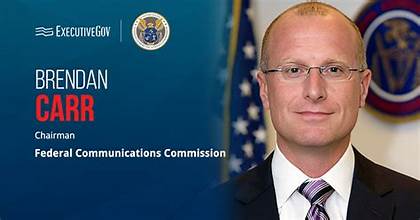
FCC Commissioner’s Threat to Broadcasters Sparks Bipartisan Backlash — and a Rare GOP Break
A public warning from FCC Commissioner Brendan Carr that broadcasters could lose their licenses for airing what he called “hoaxes” and “news distortions” has triggered a broad political backlash, drawing condemnation from Democrats, civil‑liberties groups, and even one Republican senator who broke with his party to reject the threat. Carr’s comments came after President Donald Trump criticized “fake news” coverage of the Iran conflict. Carr amplified Trump’s message and added that broadcasters who fail to operate “in the public interest” could face consequences during license renewal. He emphasized that broadcast licenses are “not a property right,” a framing that suggested potential revocation for news content the FCC deems misleading. For many observers, the tone and timing of the warning felt unsettling, especially in a moment when people rely heavily on accurate information to understand fast‑moving global events. Yet even in that tension, the swift response from journalists and advocates showed how deeply people still believe in the power of truth and transparency.
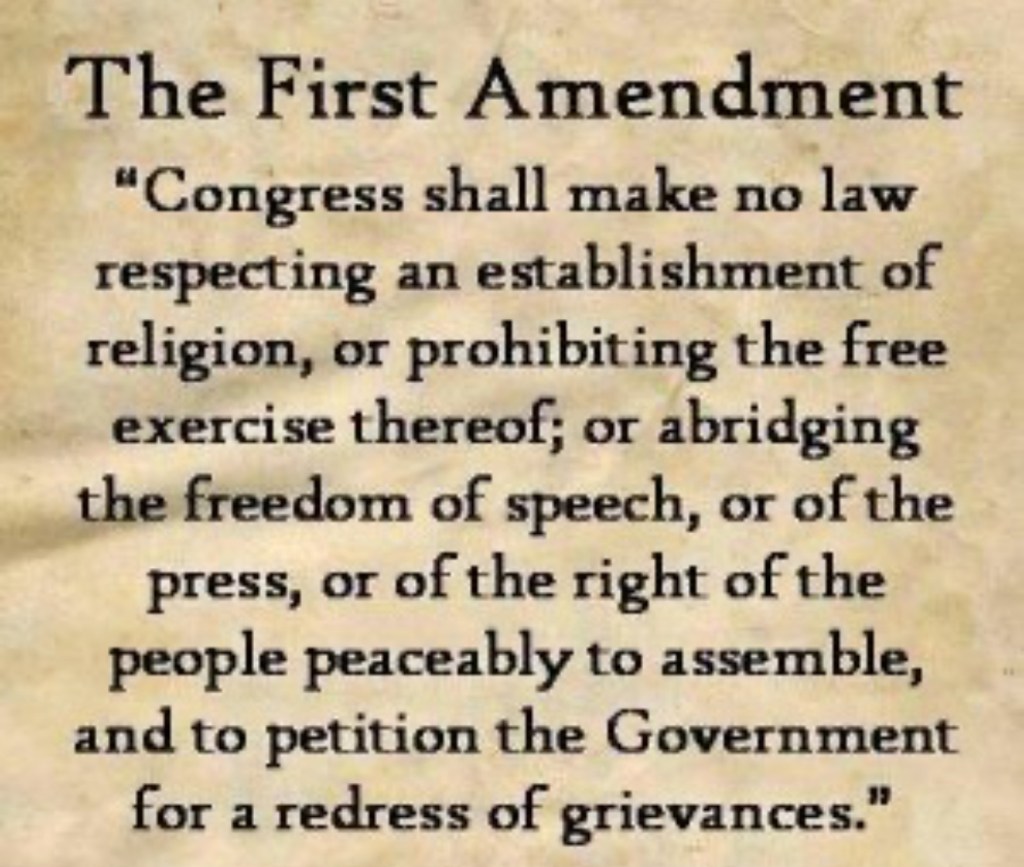
Carr’s warning marked a sharp departure from longstanding FCC practice. While the agency enforces technical and operational standards, it is barred from policing political content or penalizing broadcasters for perceived bias. Legal experts noted that tying licensing power to judgments about “fake news” raises clear First Amendment concerns and risks government influence over editorial decisions. The danger, as several analysts emphasized, is not theoretical. Even a rhetorical threat from a federal regulator can create pressure inside newsrooms, especially during wartime coverage when journalists are already working under intense public scrutiny. The possibility that a commissioner might use licensing power to influence editorial decisions struck many as a direct challenge to the independence of the press — a cornerstone of democratic life that people depend on to make sense of crises. But the outcry that followed also demonstrated something essential: when institutions are tested, people still rise to defend them.
Democratic lawmakers responded swiftly, calling the threat unconstitutional and an abuse of regulatory authority. Several pointed to the FCC’s statutory limits and the Supreme Court’s long‑standing protections for political speech, arguing that Carr’s comments crossed a bright legal line. Civil‑liberties organizations echoed those concerns. Free‑speech groups warned that invoking licensing power in response to disputed news coverage risks setting a precedent that future administrations could exploit. Their criticism focused on the explicit linkage between Trump’s rhetoric and Carr’s regulatory warning, which they said blurred the line between political messaging and federal authority. Many of these groups expressed worry not just for journalists, but for the public, because when government officials pressure the press, the people who ultimately lose access to unfiltered information are everyday citizens. Still, their unified response showed that the instinct to protect democratic norms remains strong and deeply rooted.
The most unexpected reaction came from Sen. Ron Johnson of Wisconsin, who publicly rejected Carr’s approach. Johnson, typically aligned with Trump on media issues, said he is a “big supporter of the First Amendment” and opposes “heavy‑handed government, no matter who is wielding it.” He cautioned against federal regulators interfering with private‑sector media, signaling that Carr’s threat exceeded acceptable boundaries. Johnson’s statement stood out precisely because it was solitary. No other Republican senator joined him, despite the party’s long‑standing emphasis on limited government and skepticism of federal regulatory power. His lone stance underscored how isolating it can be for lawmakers to speak against their own party’s momentum, even when the issue touches on foundational democratic principles. Yet his decision to speak up also served as a reminder that courage often begins with one voice willing to stand alone.
The broader GOP response, or lack of one, underscored the political sensitivity of the issue. While Carr’s warning touched on principles that Republicans have historically championed, most lawmakers declined to comment. Analysts noted that criticizing Carr’s threat would require contradicting Trump’s framing of “fake news,” a position many Republicans have been reluctant to challenge publicly. The silence effectively left Johnson isolated as the only Republican to defend the constitutional limits on the FCC’s authority. It also left Democrats and civil‑liberties groups to articulate the legal and institutional concerns raised by Carr’s statement. For many Americans watching from the outside, the silence added to a growing sense of uncertainty about who will step forward to defend long‑standing norms when they are tested. But moments like this also reveal something hopeful: even when institutions wobble, the public’s expectation for accountability remains firm.
Despite the criticism, Carr did not walk back or clarify his remarks. Instead, he repeated the same warning in subsequent posts and interviews, again emphasizing broadcasters’ obligation to serve the public interest. He did not address Johnson’s rebuke or acknowledge the constitutional objections raised by legal experts. His refusal to retreat left many observers uneasy, not because of partisan disagreement, but because of the implications for how regulatory power might be invoked in future conflicts. The danger, as several legal scholars noted, is that once a commissioner signals a willingness to tie licensing power to content judgments, future officials may feel emboldened to go further. Yet the public pushback also showed that people are paying attention — and that vigilance itself is a form of protection.
Carr’s threat landed in a media environment already shaped by years of tension between Trump and the press. Major news organizations have repeatedly found themselves correcting or contextualizing statements from the president that conflict with established facts, government data, or prior official records. This dynamic has led to real‑time fact‑checking during live speeches, rapid‑response analyses that correct disputed claims, and dedicated fact‑checking teams that track recurring inaccuracies. Journalists argue that correcting false statements is a core part of their role in a democratic society. Because Trump frequently disputes or criticizes these corrections, Carr’s warning was interpreted as aligning with efforts to discourage fact‑checking rather than misinformation itself. The concern among press‑freedom advocates was that regulatory pressure, even rhetorical, could chill newsrooms from correcting false claims during sensitive coverage, including wartime reporting. For many in the industry, the threat felt personal — a reminder of how fragile their work can feel under political scrutiny. Yet their continued commitment to accuracy reflects a deeper truth: even under pressure, the pursuit of fact‑based reporting remains resilient.
The political implications of the GOP’s silence extended beyond the immediate controversy. The lack of Republican pushback suggested that criticizing a threat aligned with Trump’s media narrative remains politically risky within the party. Analysts note that GOP lawmakers often avoid contradicting Trump’s framing of “fake news,” even when the issue intersects with long‑standing conservative principles such as limited government and First Amendment protections. This dynamic indicates that internal party cohesion around Trump’s messaging continues to influence how Republican officials respond to disputes involving media oversight. The episode also raised questions about the political pressures facing independent agencies like the FCC. When partisan narratives intersect with regulatory authority, agency leaders may face incentives to adopt rhetoric that aligns with political expectations. The muted GOP response signaled that such rhetoric may not encounter internal resistance, potentially affecting how future commissioners navigate politically sensitive issues. For those who care deeply about institutional independence, this silence felt like both a warning sign and a call to stay engaged.
Carr’s comments exposed deeper tensions in the relationship between government power, media regulation, and partisan expectations. While the FCC has historically operated with a degree of insulation from political pressure, the episode showed how easily those boundaries can be tested. The controversy highlighted the fragility of institutional norms, the vulnerability of independent agencies to political influence, and the growing overlap between partisan messaging and regulatory authority. Analysts noted that the muted GOP response reflected the political incentives at play: aligning with Trump’s media narrative, avoiding intra‑party conflict, and sidestepping the appearance of defending mainstream news outlets. Carr’s threat did not result in policy changes, but it revealed how quickly regulatory authority can become a flashpoint and how fragile the guardrails around that authority can be. The episode underscored that the defense of press freedom often depends not just on legal protections, but on political actors’ willingness to enforce the norms that uphold them. For many Americans who value a free and independent press, the moment served as a reminder of how much vigilance is required to protect it — and how powerful it can be when people choose to stand up for the principles that hold democracy together.
Brendan Carr is pressuring news organizations to stay quiet about President Trump’s chosen war narrative, but the First Amendment makes one thing unmistakably clear: federal officials have no business interfering with press freedom. The Constitution exists precisely to prevent government regulators from inserting themselves into newsroom decisions, and Carr needs to step back and respect those boundaries
References
FCC Chair Brendan Carr says broadcast licenses are not a “property right” — AOL / CBS News
FCC’s Carr Targets Broadcasters Over “Fake News” Amid Trump’s Criticism — Devdiscourse
FCC chair Brendan Carr warns broadcasters must “correct course” — Fox News
Ron Johnson criticizes Brendan Carr’s broadcast threats — The Hill
“Stay out”: GOP Sen. Ron Johnson rebukes FCC Chair Carr — MEAWW News
MAGA Senator Betrays Trump’s Plot on His Favorite Network — Yahoo News
FCC chief threatens media over Iran war — MSN
FCC chair Brendan Carr slammed for threatening broadcasters — NewsBreak
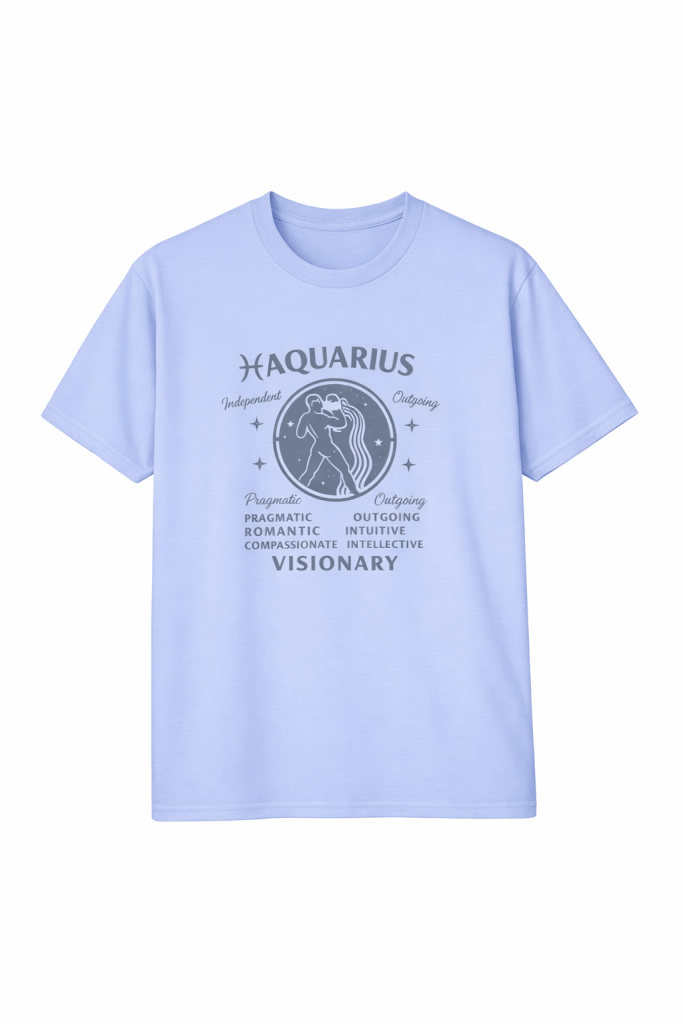
This Aquarius tee features a crisp black silhouette paired with traits like “Visionary,” “Intuitive,” and “Romantic” in a clean, centered layout. The water‑pourer emblem anchors the design, surrounded by subtle stars and personality highlights. Printed on smooth, flat fabric in your choice of vibrant colors, this shirt is perfect for astrology lovers who lead with originality.
Regular price: $22.00 — now just $11.00
50% off all T-shirts at Mentonym.com
 Mentonym Express